December birthdays arrive with a useful advantage: the month's birthstones are unusually varied. Turquoise brings a matte, ancient blue; tanzanite glows violet-blue in evening light; zircon flashes with a diamond-like spread of color. Pairing any of them with the right metal changes the gift's mood entirely. Silver can make turquoise feel relaxed and modern, white gold can sharpen tanzanite's cool fire, and yellow gold can turn zircon into something quietly vintage. The metal is not a detail. It decides how often the piece gets worn.
Most shoppers start with the stone and treat the setting as packaging. Reverse that. The metal sits against skin every day; it determines whether a ring feels formal, casual, warm, or sharp. It also affects maintenance. A high-polish white gold pendant may need rhodium replating over time, while sterling silver will tarnish and need a soft cloth. None of that is a problem if the wearer knows what to expect.
Four metals do most of the work in December birthstone jewelry. Use the stone's color and the wearer's habits to choose between them.
Turquoise is the most traditional December stone and the most forgiving in style. A clear, even blue with little matrix reads formal; a web of brown or black matrix reads casual and earthy. Neither is better. The mistake is buying a delicate turquoise ring for someone who works with their hands, or a heavy silver cuff for someone who only wears fine chains.
Turquoise is porous and dislikes perfume, hairspray, chlorine, and household cleaners. Wipe it with a soft dry cloth after wear and keep it away from long soaks. Stabilized turquoise is common and sensible for daily jewelry; ask whether the stone has been stabilized or otherwise treated, and follow the jeweler's care instructions.
A silver cuff or bangle is the classic choice, especially for someone who layers jewelry. A small gold pendant—round, oval, or a simple bezel—makes turquoise feel more polished. Stud earrings in silver or yellow gold suit first-time birthstone gifts. For a more personal piece, consider a signet-style ring with a flat turquoise cabochon; it feels collected rather than trend-driven.
Tanzanite is a December birthstone with a theatrical streak. It is pleochroic, meaning it can show blue, violet, and hints of red depending on the light and the angle. That is why a tanzanite pendant can look calm by day and saturated at dinner. It is also softer than sapphire and should be set protectively, especially in rings.
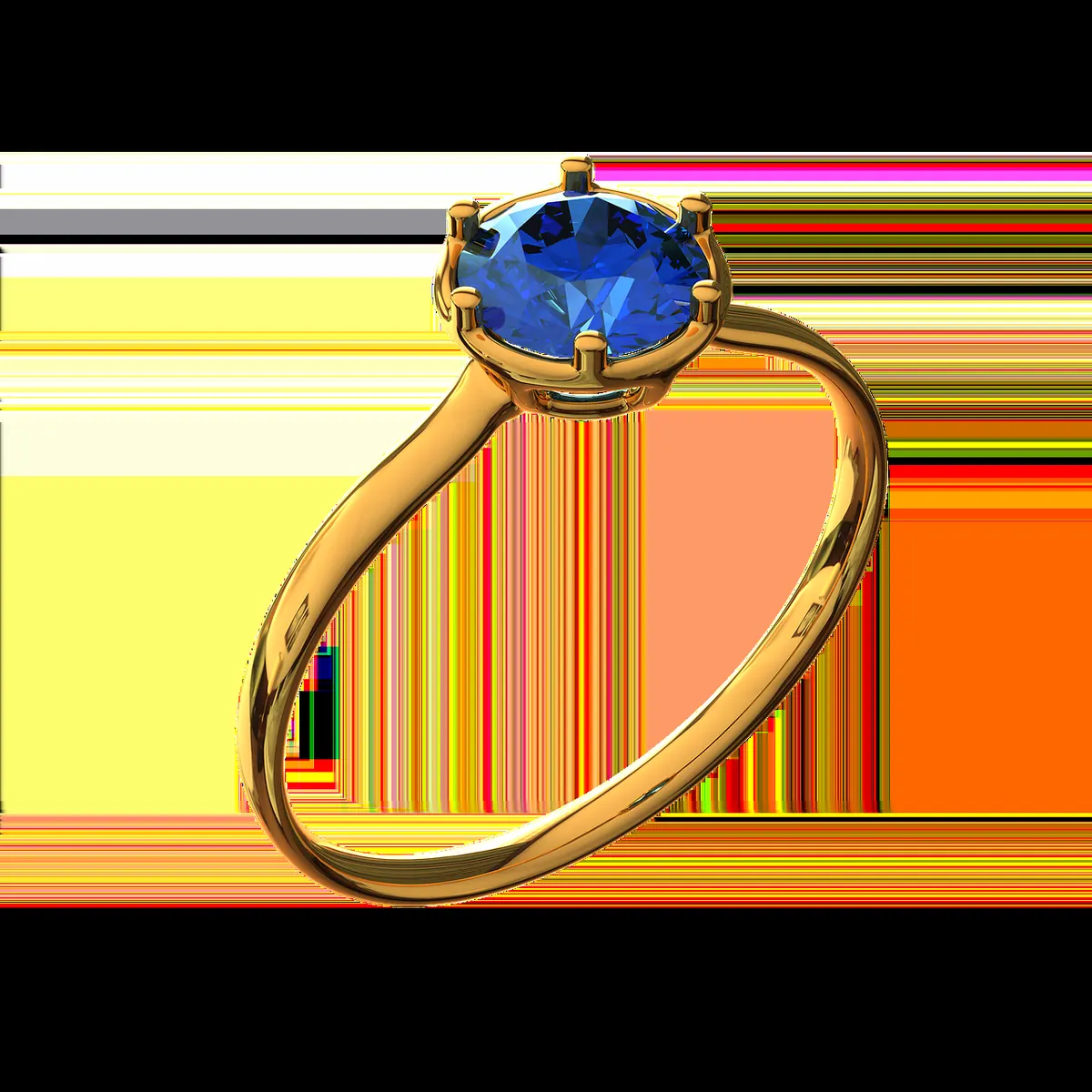
White gold and platinum are the safest pairings for cool blue-violet stones. They keep the color clean and make the setting look precise. Yellow gold can work beautifully if the design is deliberate—a simple bezel or a vintage-inspired frame—but it may push the stone toward a warmer, older mood. Rose gold is the romantic option; choose it when the wearer already likes blush tones and soft contrasts.
Ask about treatment. Heat treatment is common for tanzanite and should be disclosed. For rings, look for protective prongs or a bezel that shields the edges. Drop earrings and pendants are lower-risk gifts because they sit away from knocks and scratches. A tanzanite cocktail ring is a statement; a tanzanite pendant is the piece someone reaches for on a Tuesday.
Zircon is not cubic zirconia. Natural zircon is a real gemstone with its own history, and blue zircon is the usual December pick. Colorless zircon has an antique diamond-like sparkle; golden and rose shades suit warm metals. The stone is brittle and can show wear along facet edges, so vintage pieces deserve a close look under good light.
Blue zircon looks crisp in white gold or platinum. Golden zircon warms up in yellow gold. Rose zircon can feel delicate in rose gold, especially in small studs or a slender pendant. Avoid ultrasonic cleaners and steam; use warm water, mild soap, and a soft brush only if the jeweler confirms it is safe for the setting. Store zircon separately from harder stones.
A pair of zircon studs in white gold is an easy first fine-jewelry gift. A halo pendant in platinum or white gold gives the stone more presence without turning it into a cocktail piece. For someone who likes vintage, a yellow gold ring with a golden zircon and engraved shoulders is more interesting than another plain band. A zircon brooch is a collector's gift, but only for someone who actually wears brooches.
Birthstone gifts fail when they are chosen for the stone rather than the person. A tanzanite cocktail ring is wasted on someone who wears delicate chains; a turquoise bolo tie is perfect for one friend and puzzling for another. Start with three questions: What metals does she already wear? Does she dress for work, weekends, or evenings? Does she prefer small and precise or bold and sculptural?
Choose a bezel-set turquoise pendant, small zircon studs, or a low-profile tanzanite ring that will not catch on sleeves. Keep the metal consistent with what they already own. If they wear silver watches and simple chains, a sudden yellow gold statement may sit in the box.
Tanzanite drop earrings, a zircon halo pendant, or a turquoise ring with a dramatic but smooth cabochon can work. Look for clean settings and lively color rather than size alone. A stone with a visible window or a dull center will look tired under low light.
Look for older cuts, engraved shoulders, and settings with personality. Check zircon facet edges for abrasion and turquoise for discoloration or cracks. Ask about repairs and whether the stone is original to the piece. A well-chosen vintage birthstone gift feels researched, not rushed.
December birthstones are not interchangeable, and the right metal depends on both the stone and the person. Run through this list before you commit.
If the piece is a significant purchase, ask a qualified jeweler to inspect the setting and stone before it leaves the shop. That small step protects both the gift and the person who will wear it.
Photo: Antoni Shkraba / Pexels