Estate jewelry often looks better under shop lighting than it does on your dressing table a week later. That isn't dishonesty so much as physics: warm bulbs, a velvet pad and a little distance hide an awful lot. The remedy is simple and slightly old-fashioned. Slow down, pick up a loupe, and inspect the piece the way a bench jeweler would before it ever reaches a counter. You don't need to be an expert to catch most problems. You need decent light, ten quiet minutes, and a rough idea of where old jewelry tends to fail.
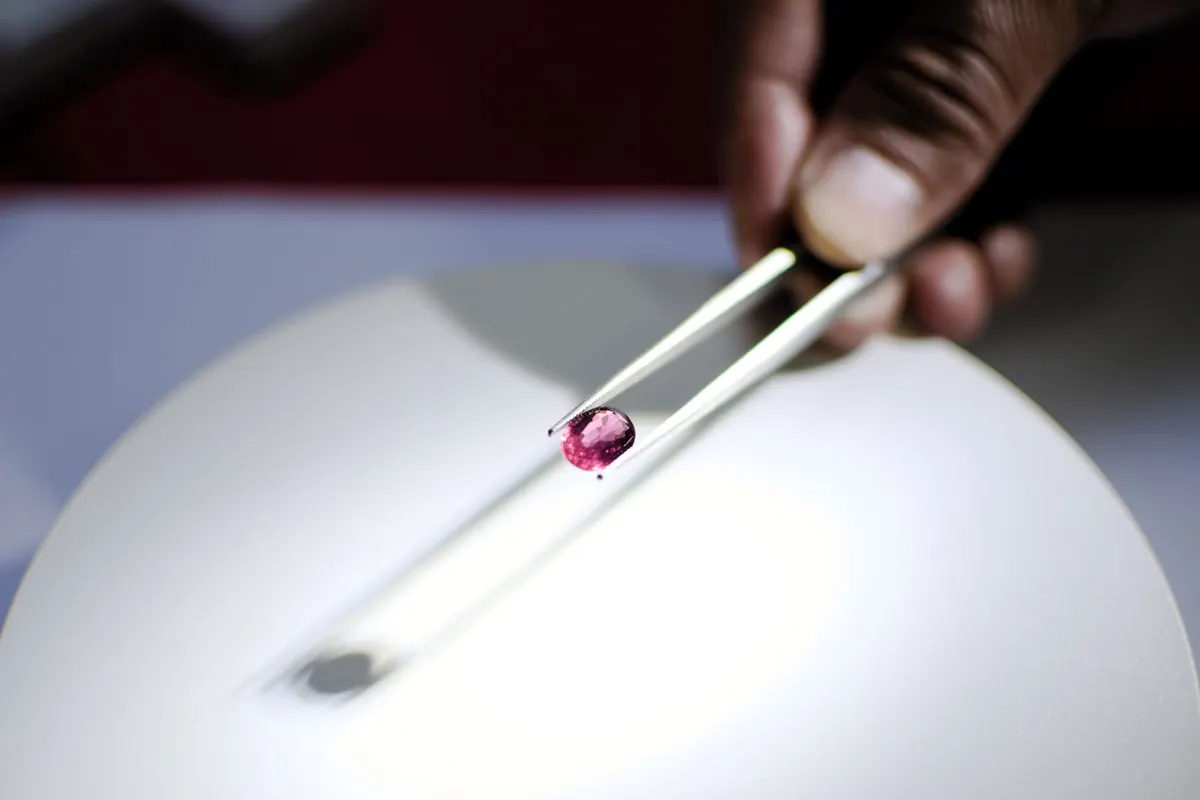
A 10x jeweler's loupe costs very little and will change how you see jewelry for the rest of your life. Use it with the piece resting on white paper, so the metal's true color shows instead of the color of the tray beneath it. Daylight near a window is ideal; in a shop, ask to step toward the door. A phone torch held at a low angle — raking light — makes scratches, hairline cracks and solder lines jump out where flat light smooths them away.
Clean the piece first, if the seller permits. A soft cloth is usually enough; warm water with a drop of dish soap is fine for most metal and diamond pieces but should stay away from pearls, opals, emeralds, turquoise, glued stones and anything with a foil-backed setting. Grime settles into cracks, and old polish fills them. You want to see the piece, not the residue on top of it.
If you are buying online, ask for close-ups in raking light, plus a clear photo of the hallmark and the clasp. A seller who won't provide them is telling you something.
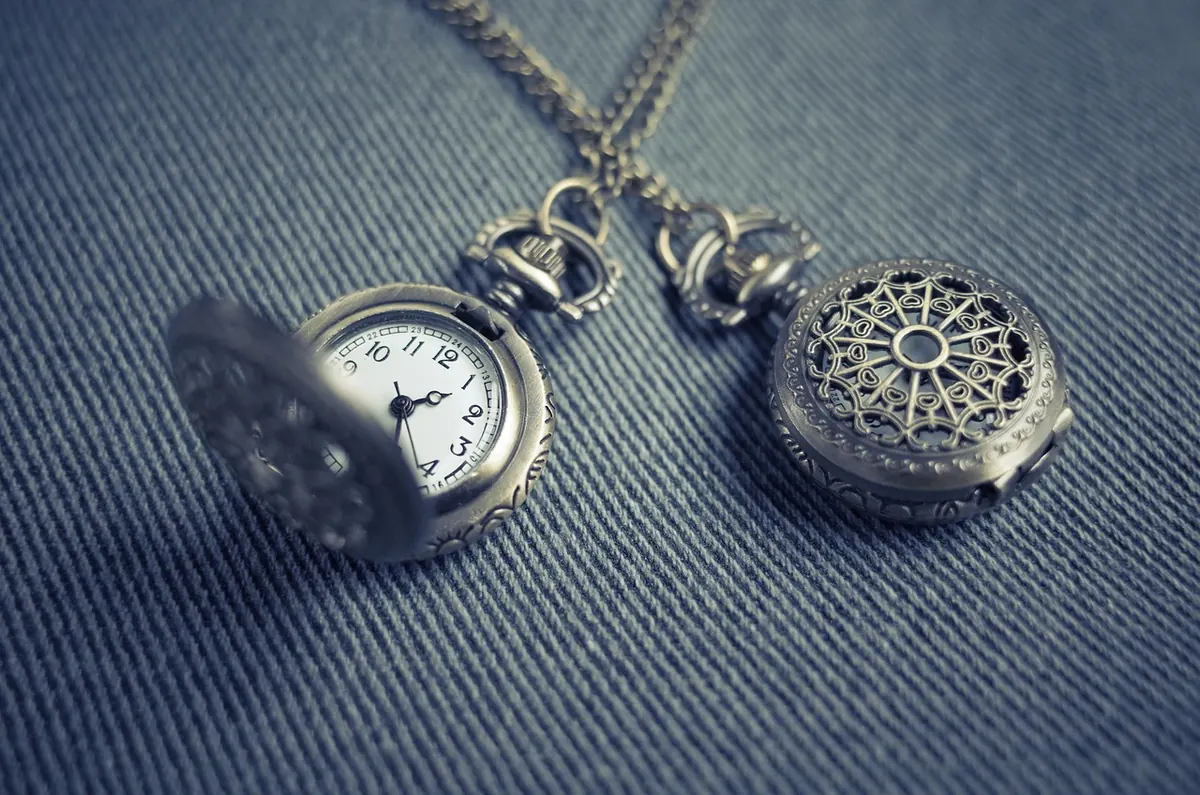
Clasps take more stress than any other part of a piece, and they are where vintage jewelry most often lets you down. Open and close the clasp fifteen or twenty times. It should snap, not mush.
Then test as worn. Fasten the piece and give it a gentle tug. Hang a necklace from your finger and let gravity do the work. If it opens under its own weight, walk away or budget for a new clasp.
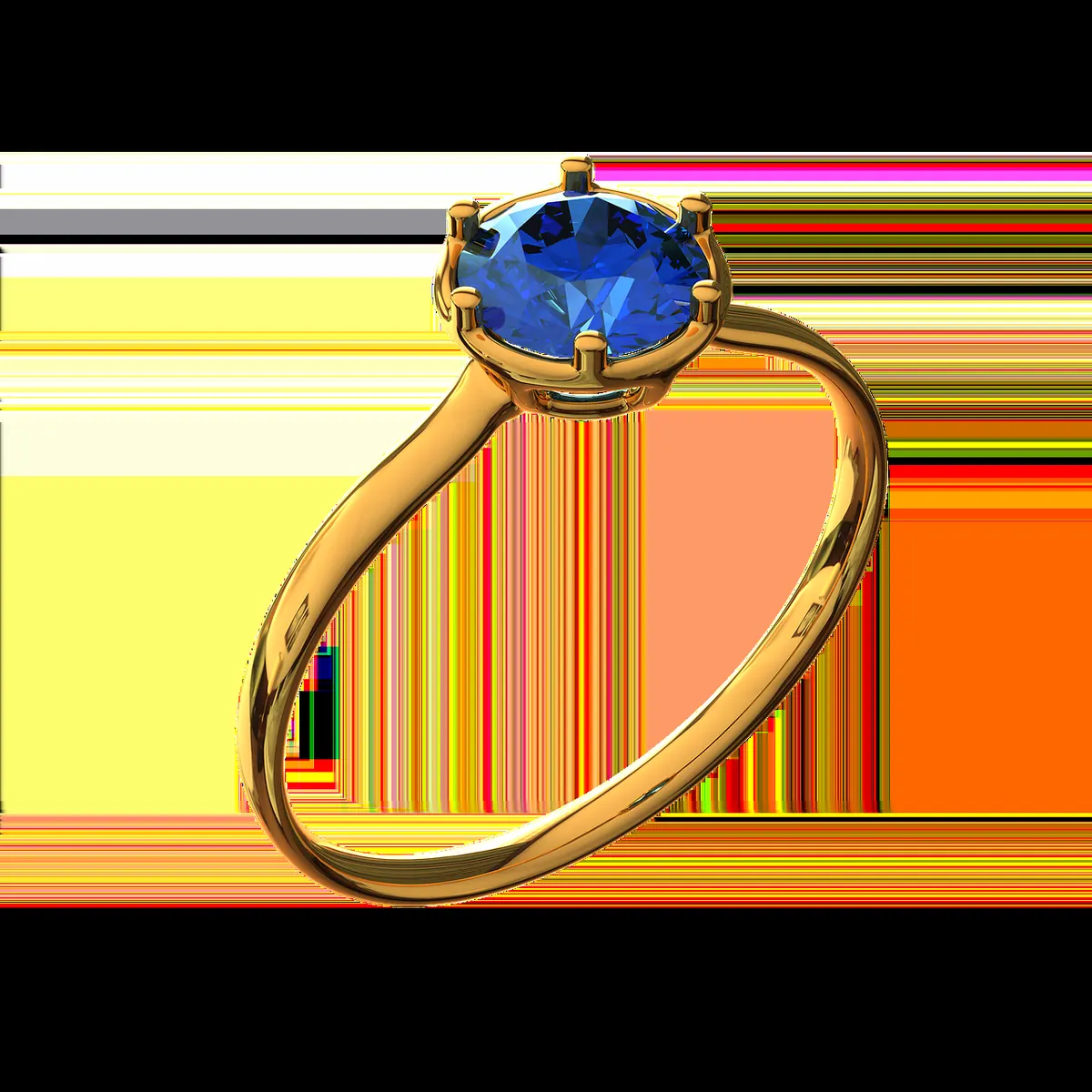
Hold the piece up and look along every joint: where a bail meets a pendant, where a hinge meets a brooch frame, where a prong meets a gallery, where a ring shank was sized. Good solder work is nearly invisible. Poor work announces itself: a faint line of different-colored metal, tiny pits from overheated solder, solder flowing over engraving or milgrain, fresh file marks that don't match the finish elsewhere.
Repairs are normal. A re-tipped prong or a replaced jump ring on a hundred-year-old brooch is not a scandal; it's evidence the piece was worn and cared for. What matters is whether the work was done well and whether the price reflects it. Bad signs include a hinge that sits crooked, a bail soldered off-center, a seam that isn't flush, or yellow solder on white metal. Also run a fingernail around the inside of a ring shank and along the edges of a brooch. Cracks love the bottom of a shank, right where it has been sized.
Rest a fingertip on each stone and try a small side-to-side movement. It shouldn't shift. Then look closer, stone by stone.
Run a finger along a row of stones as a final pass. Any sharp edge or gap tells you more than a dozen photographs. And compare stones to each other: a replacement diamond or paste stone is often a shade off, especially in older pieces where the originals have aged together.
Hallmarks hide in plain sight: inside ring shanks, on the tongue of a box clasp, on the back of a brooch, on the edge of a pendant bail, on the pin stem. They are often tiny and partly worn, so use the loupe and good light.
A stamp is a claim. The metal is the proof.
Marks get worn away, added later, or copied outright. A ring that has been sized often loses its hallmark entirely, so a missing mark is not proof of a fake, just as a present mark is not proof of anything. When real money is involved, ask a jeweler to test the metal at the bench. A quick electronic or acid test takes a minute in trained hands.
Wear should match the age and the type of piece. A ring worn daily for forty years will have a thin shank and softened details. A brooch kept in a box should not look sanded down. Look for thinning at the bottom of a shank, prongs worn to nubs, milgrain and engraving smoothed into softness, jump rings pulled oval, chain links stretched at the clasp end.
Watch for wear in the wrong places, too. Fresh scratches on a piece described as never worn, or crisp, uniform edges on something sold as Victorian, deserve a question. Dark patina in the recesses of old silver is normal and often desirable; black grime in the same places can be hiding pitting. Heavy polishing is its own warning: an over-polished piece has lost detail, and sometimes weight.
Vintage jewelry is rarely perfect, and it shouldn't be. The question is not whether there is wear — there always is — but whether the wear is honest and the price matches it. Trust the loupe over the story, ask direct questions, and get the answers in writing. If the piece passes, you'll own something with a history instead of a headache.
Photo: StockSnap / Pixabay