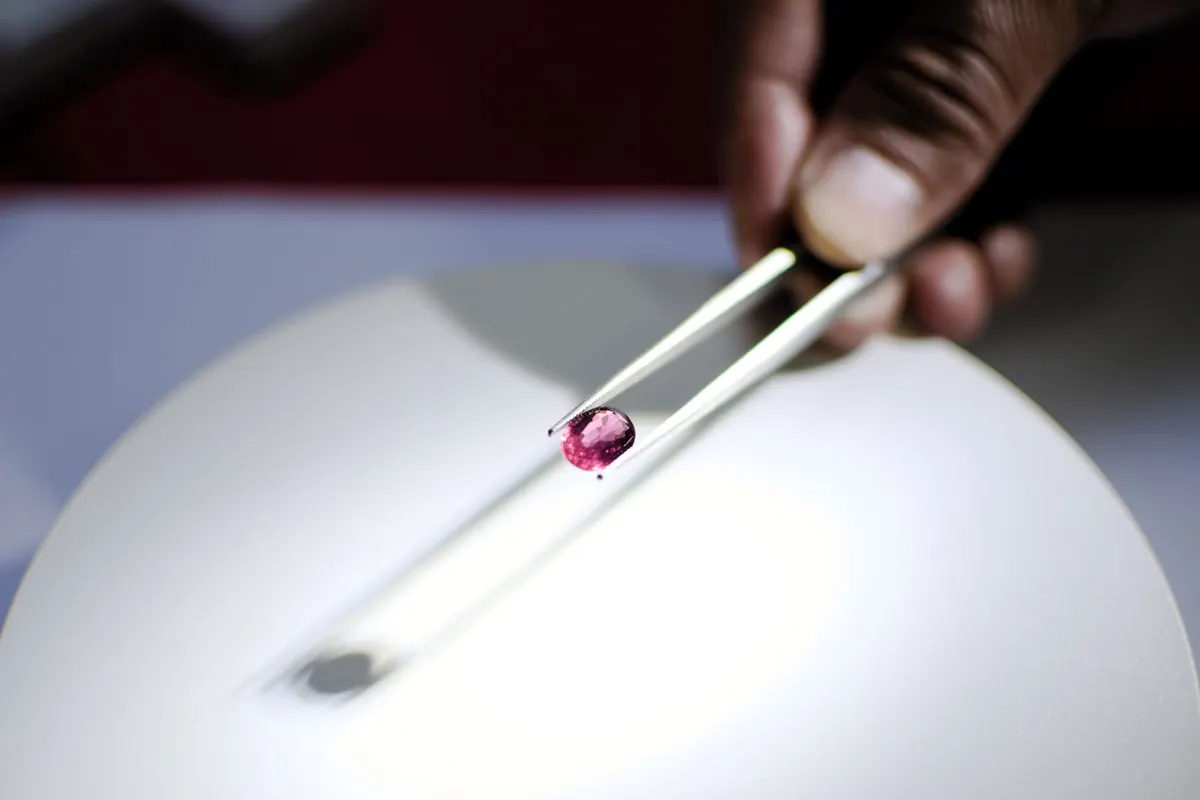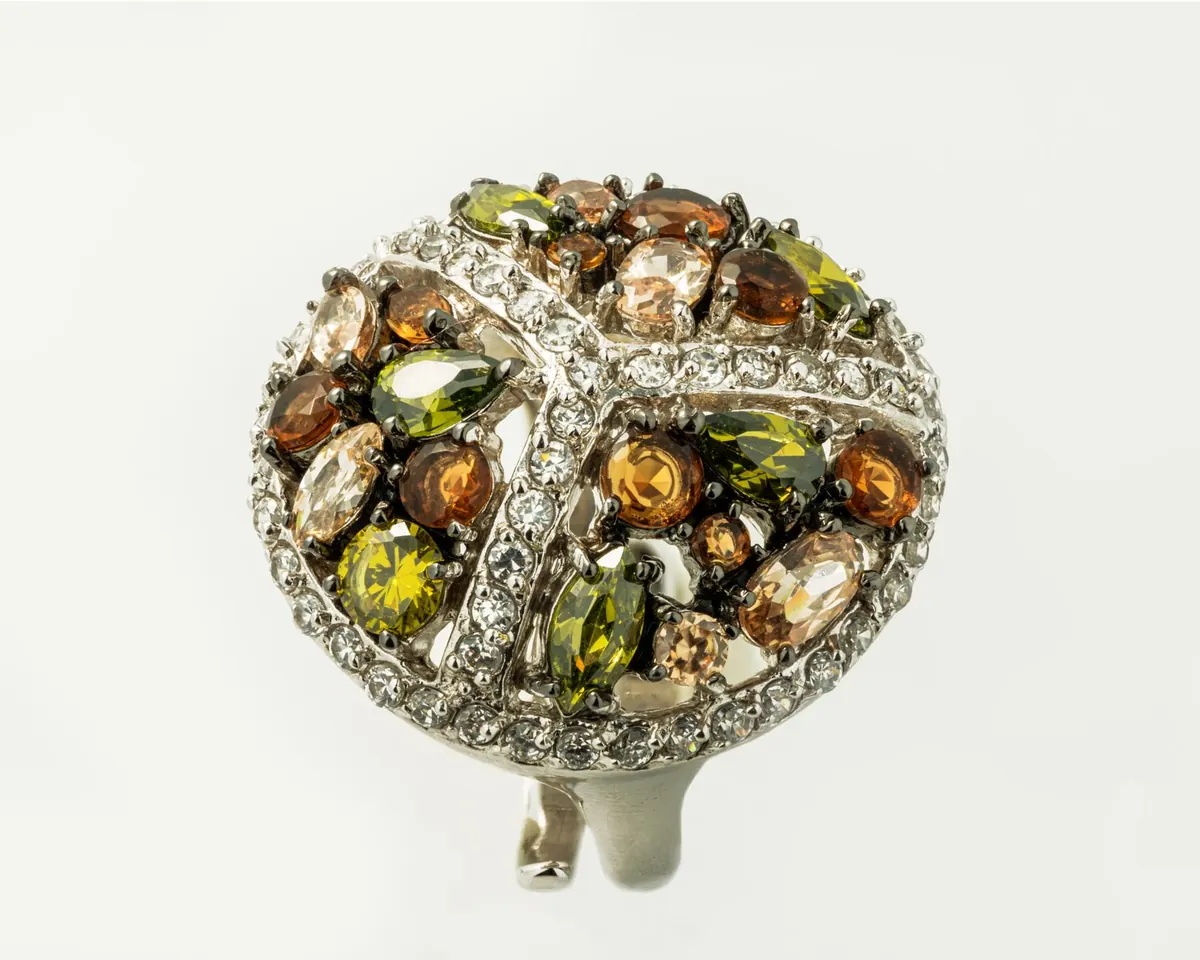
A tray of engagement rings looks different this year. Where a white diamond solitaire once sat alone, there are sapphires in deep blue and soft peach, teal tourmalines, wine-red garnets, and spinels in shades that shift with the light. Couples are not treating these as compromise purchases. Many are choosing them first, then building the rest of the ring around the stone. The reasons mix practicality with taste: a colored center can deliver more presence for the budget, it reads as personal rather than borrowed from a catalogue, and it gives two people something to talk about when the ring is noticed.
What follows is a working view of the styles gaining ground, the market forces behind them, and the practical checks worth making before money changes hands.
Diamond dominance was never purely geological. It was a marketing achievement backed by a genuine practical advantage: diamond is the hardest material used in jewelry, so it survives decades of knocks. That advantage still matters. What has changed is that buyers now understand the trade-off well enough to make it deliberately.
Two shifts sit underneath the trend. First, lab-grown diamonds reset expectations about what a large white center stone should cost, which pushed some buyers toward bigger and more unusual colored stones instead of competing on carat weight. Second, a generation of shoppers has spent years looking at estate jewelry, museum collections, and the sapphire-and-diamond rings of the early twentieth century. Colored centers no longer look old-fashioned. They look like a choice.
Setting an elongated stone horizontally, wrapped in a slim bezel, is the most visible shape of the moment. It suits marquise, oval, and pear cuts, sits low on the finger, and does not catch on knitwear. For anyone with an active job or small children, this is the most sensible way to wear a soft or brittle stone.
The marquise has been quietly returning for several seasons, and 2025 is the year it looks normal again rather than retro. Set north-south with two small tapered baguettes or a halo of tiny round stones, it flatters short fingers because the length draws the eye upward. Oval remains the safest elongated choice, and pear works well for anyone who wants asymmetry without going full toi et moi.
A colored center flanked by two white diamonds is the most classically safe way into the category. It gives sparkle at the edges, keeps the color as the focal point, and photographs well without looking trendy. The 2025 variation is a stronger color contrast: a green sapphire between two white trillions, or a blue spinel between step-cut side stones.
Two stones on one band, often different colors and different cuts, has moved from celebrity novelty to a genuine option for couples combining birthstones, heirloom stones, or two budgets. It is the least conventional style on this list and the one most likely to be regretted if chosen too quickly. Try a wax or resin model for a week first.
Sapphire is the anchor of the category, and for good reason: it is hard, widely available in calibrated sizes, and comes in every color from pale peach to near-black. Spinel has become the insider's pick, prized for its saturation and its natural range of blues, pinks, and greys. Tourmaline offers the widest color palette of any common gem, though it needs a protective setting. Garnet is the value story, especially in the deep reds and the green tsavorites-adjacent varieties.
A note on hardness: it is a useful shorthand, not a guarantee. Emerald is reasonably hard on paper but chips along its internal fractures. A soft stone in a protective bezel can outlast a hard stone in a tall, exposed prong setting. Setting choice matters as much as the gem.
Price is part of it, but not the whole story. A well-chosen blue sapphire of the same visual size as a diamond typically costs less, which lets buyers put money into the setting or the band instead. Origin and treatment disclosure have also become ordinary questions rather than specialist ones; buyers want to know whether a stone is heated, and they ask for reports on anything expensive.
There is also a design argument. A colored center hides nothing. It cannot rely on sparkle alone, so the cut, the proportions, and the metal all have to be right. That appeals to people who find the standard solitaire a little anonymous, and it has pushed jewelers toward better craftsmanship in the mid-market rather than more elaborate marketing.
Yellow gold continues to lead, partly because warm metals flatter blue, green, and pink stones more kindly than white metal does. Mixed-metal designs, with a yellow shank and a white setting, solve the practical problem of matching an existing wedding band. Bands are wider and slightly heavier than they were five years ago, which balances a large colored center and stops the ring from spinning.
Two details separate rings that will look considered in a decade from those that will look dated: a low profile, and a setting that protects the girdle of the stone. Both cost little and add years of wear.
On money and insurance, treat the above as general guidance and confirm specifics with a qualified appraiser or insurer; policies on colored stones and their settings vary more than most buyers expect.
Start with the stone you keep returning to, then let the setting serve it. A bezel-set teal sapphire on a slightly heavy yellow-gold band will look as reasonable in fifteen years as it does now, and it will survive the intervening decade of car doors and gym bags. Try the ring on with the wedding band you already own or plan to buy, wear a model for a few days, and be willing to walk away from a beautiful stone that sits too high or too fragile for your life.
The colored center is not a trend to be talked into. It is simply an option that has become easier to choose well, and the buyers getting the most from it are the ones treating the stone as a long-term piece of daily equipment rather than a seasonal statement.
Photo: Skyler Ewing / Pexels